ATLANTA, GA, September 3, 2026. Consig, the voice AI engine for patient outreach, will present at the 2026 vCon Summit on Tuesday, October 13, at the Sandy Springs Performing Arts Center in Atlanta. Andreas Volmer, Consig's Head of Product, has a session in the Summit's afternoon program, which runs from 1:30 PM to 5:30 PM and is given over to industry issues and vCon Foundation member presentations. The full program is at https://www.vonevolution.com/f26-program-overview.
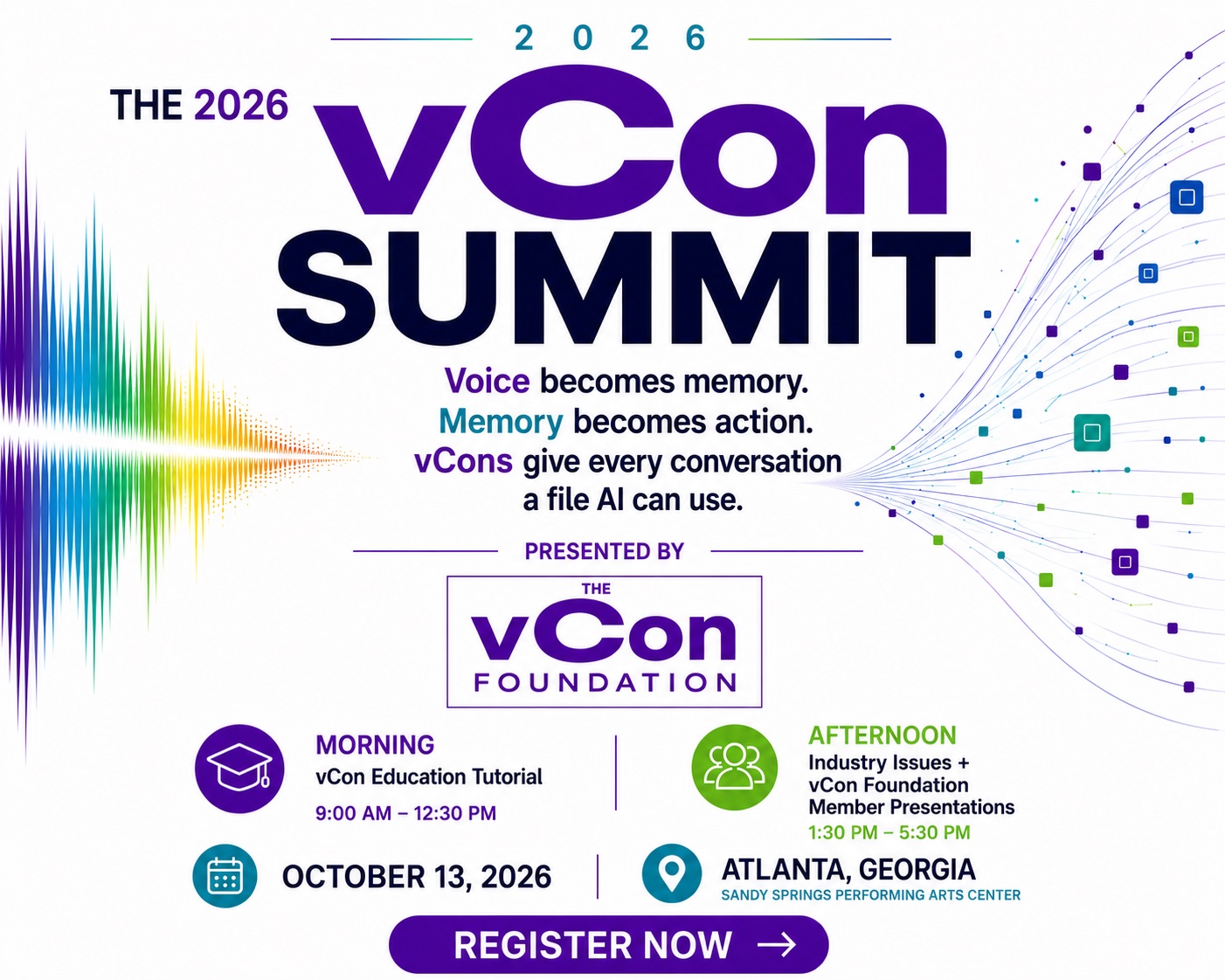
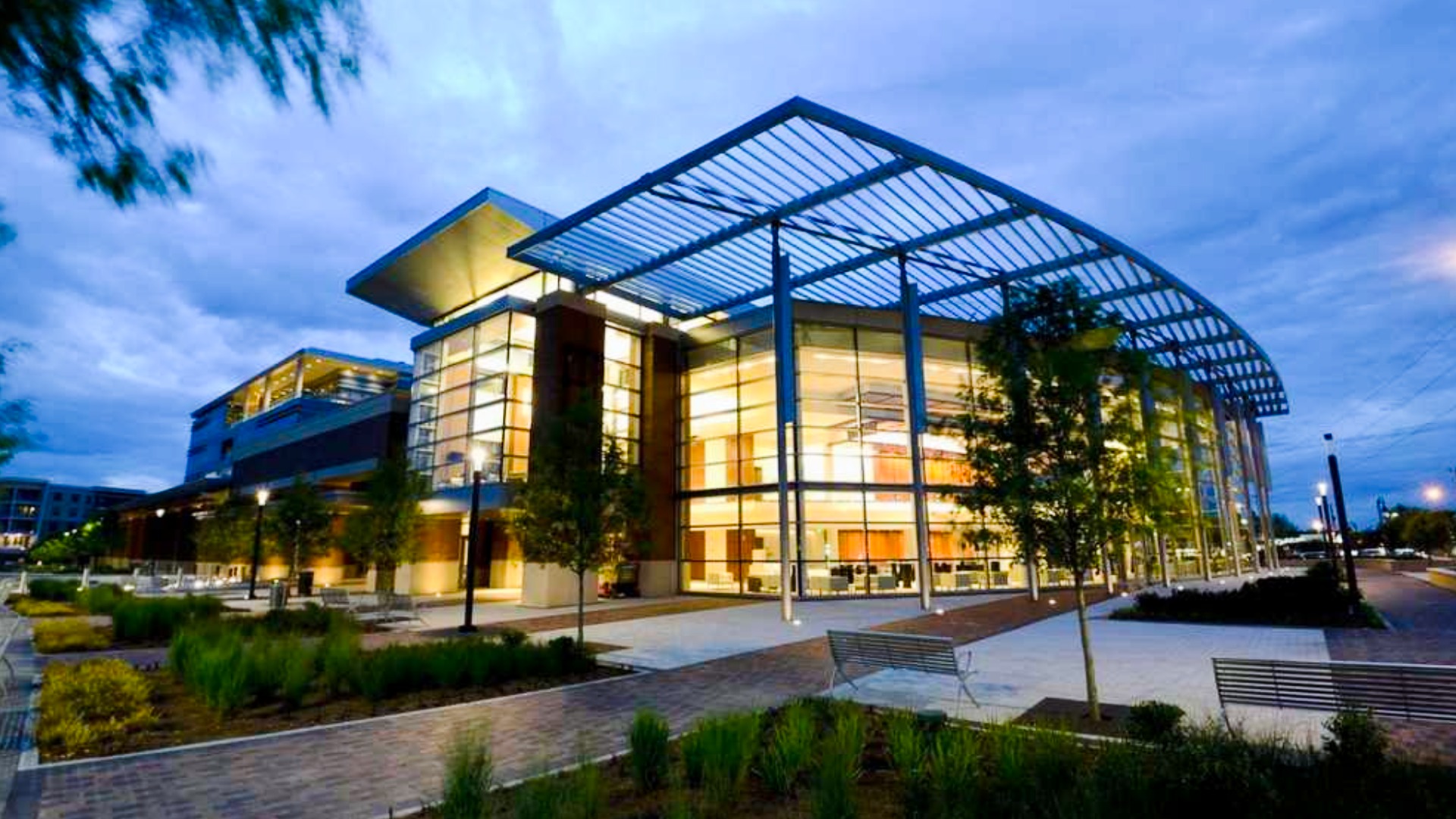
The 2026 vCon Summit, October 13, at the Sandy Springs Performing Arts Center in Atlanta.

Andreas Volmer, Head of Product at Consig.
Outbound voice AI is running into some of the strictest communication law on the books: TCPA, consent regimes, time-of-day restrictions, frequency caps, and a widening patchwork of AI-disclosure mandates. Most platforms treat compliance as a checklist added to the call flow. The talk argues that it has to be the architecture instead, and that the architecture has to be provable rather than merely documented.
The session lays out a practical spectrum of AI involvement in an outbound call. At one end sit fully deterministic, pre-scripted flows where AI is used only for triage and no speech is generated at run time. At the other sit fully agentic, autonomous conversations. Every point in between carries its own compliance obligations, its own audit requirements and its own risk profile. It's the kind of question most calling programs answer by instinct or inertia rather than by design, and the session gives the room a way to answer it deliberately: how much autonomy can this program afford, against the regulatory exposure it's prepared to carry?
At the center of the argument is the vCon, the open standard container for conversation data, used as the audit backbone for the call. Volmer draws a distinction the standard makes possible. An unsigned vCon claims what was said. A vCon that is signed and anchored to a SCITT transparency ledger proves it, cryptographically, at a specific point in time. One is testimony and the other is evidence, and the session covers what it takes to build the second.
For consent, the talk makes a case that will land uncomfortably for a lot of the room: most companies are quietly building their own one-off way of proving someone opted in, which means that proof only means something inside their own walls. Volmer points to an emerging IETF standard — a purpose-built extension to vCon — that treats consent as shared infrastructure instead: opt-in, scope of consent, and proof of how it was captured, written into the conversation record itself, in a format any compliant system can read and any auditor can verify. The same record-it-in-the-call-itself treatment applies to time-of-day rules, frequency caps, and AI disclosure. The pitch isn't “trust our platform.” It's “here's how the industry stops reinventing consent tracking badly, one vendor at a time.”
The material comes out of building an outbound voice AI platform for healthcare payers, providers and clinics, which is one of the least forgiving calling environments in the United States and the reason the argument is worth making in front of this room.
VON: Evolution Fall '26 runs October 13 to 15 in Atlanta, under the theme "The RenAIssance of Voice." October 13 is the pre-conference day and carries two co-located programs: the 2026 vCon Summit, which explores how conversations become structured, portable and governed data for AI, and 2026 VoiceAI LIVE!, where voice AI companies take the stage to demonstrate what they have built. The main conference follows on October 14 and 15. The event is run by VON Evolution Events, with the vCon Foundation as presenting sponsor.