A hospital calls a patient two days after discharge to check on her recovery. The patient gave consent. The clinician signed off. By every compliance standard that matters, the call is shipshape.
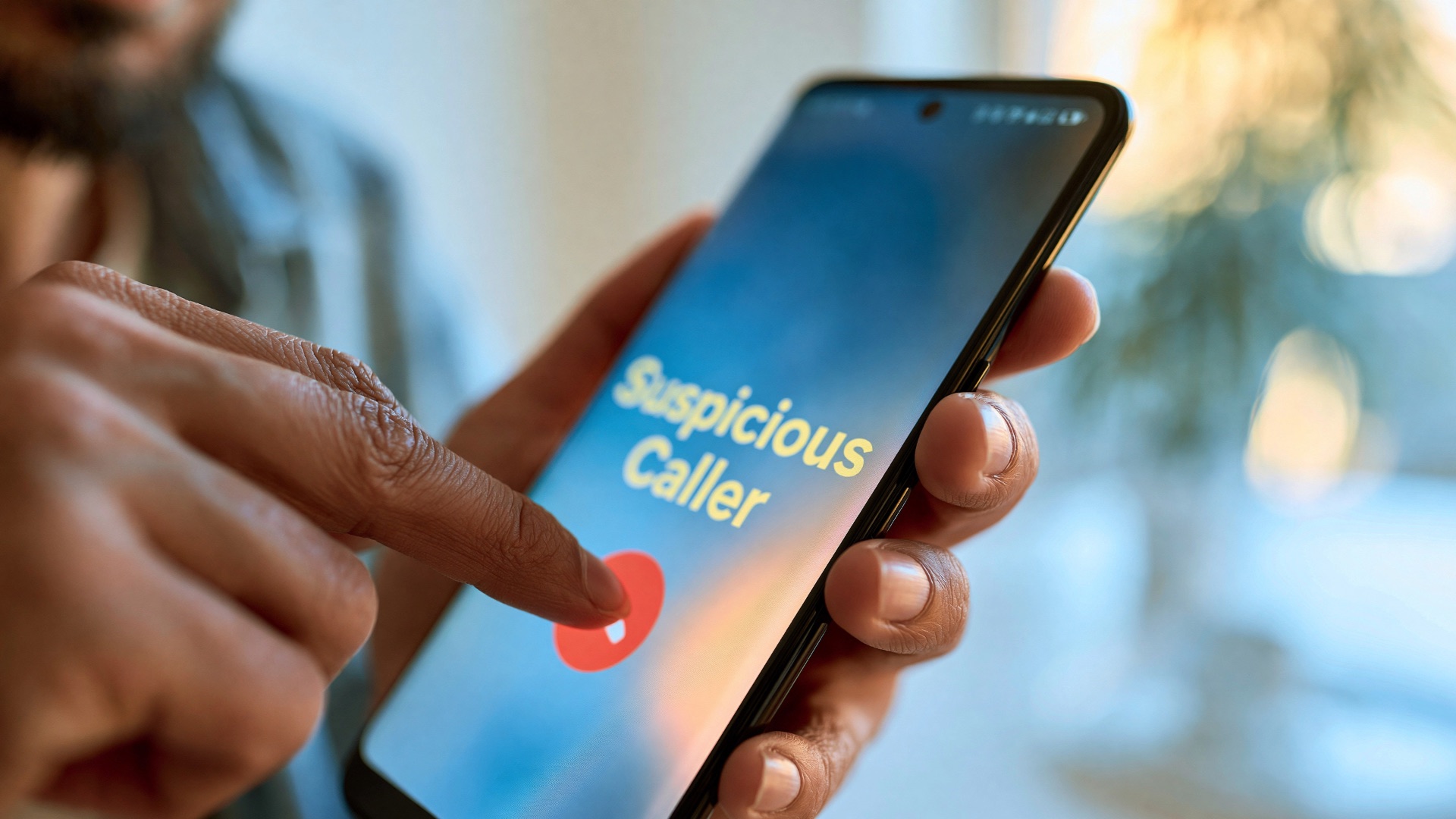
It arrives on her phone as "Spam Likely." Her phone sends those calls straight to voicemail. It never rings, and she doesn't call back.
As far as the hospital knows, the outreach program is running. As far as the patient knows, no one ever called.
The step nobody measures
Most of the attention in patient outreach goes to what happens during the call — the script, the AI, the handoff, the consent record. All of it depends on a step that now fails remarkably often: the call being delivered, trusted, and answered in the first place.
Industry data suggests roughly half of outbound calls are never answered at all, with only about a quarter of dials reaching a live person. The 2026 picture is starker: Hiya's State of the Call 2026 found that 86% of unidentified calls now go unanswered.
Legitimate callers suffer twice
A layer of labeling and blocking infrastructure now sits between every outbound call and every handset, deciding before the phone rings whether it rings at all. Carriers and their analytics partners score calls in real time on traffic patterns, complaint data, and number reputation. Calls that score badly get labeled — "Spam Likely," "Scam Likely," "Telemarketer" — or blocked outright. The TRACED Act explicitly empowered providers to block at the network level, with safe-harbor protection when they do.
For an organization doing legitimate calling, that produces a double loss. First, false positives from the labeling layer block real calls on a regular basis: 34% of Americans report having missed important calls because caller ID incorrectly flagged them as spam. Second, the organization is not reliably informed which calls were blocked, or why.
Worse, the ordinary behavior of a healthcare calling program looks like spam to an analytics engine. High call volume from a single number. Short call durations, because most of them are voicemails. Repeated attempts to numbers that never answer. Bursts of activity when a recall campaign runs. A program can degrade its own number reputation simply by running as designed.
The asymmetry with email
Email deliverability has been a recognized discipline for twenty years, with dedicated teams, tools, feedback loops, and vendors. Nobody running a marketing list would accept "we send them and hope."
Voice deliverability affects a channel that is more expensive, more regulated, and more clinically consequential — and most healthcare organizations still have no visibility into it at all. They can tell you how many calls they dialed. They usually cannot tell you how those calls displayed on a patient's screen, on which carriers, this week.
That gap is the whole problem. A blocked post-discharge call means an unfilled prescription or an unreported symptom. A blocked reminder becomes a no-show. Deliverability failure in healthcare converts directly into care gaps.
Our whitepaper, Getting Through, maps out the maze a legitimate call must navigate — carrier attestation, analytics labeling, spam apps, handset AI screeners, and finally the patient's own judgment — and what it takes to clear each one.

Whitepaper
Getting Through.